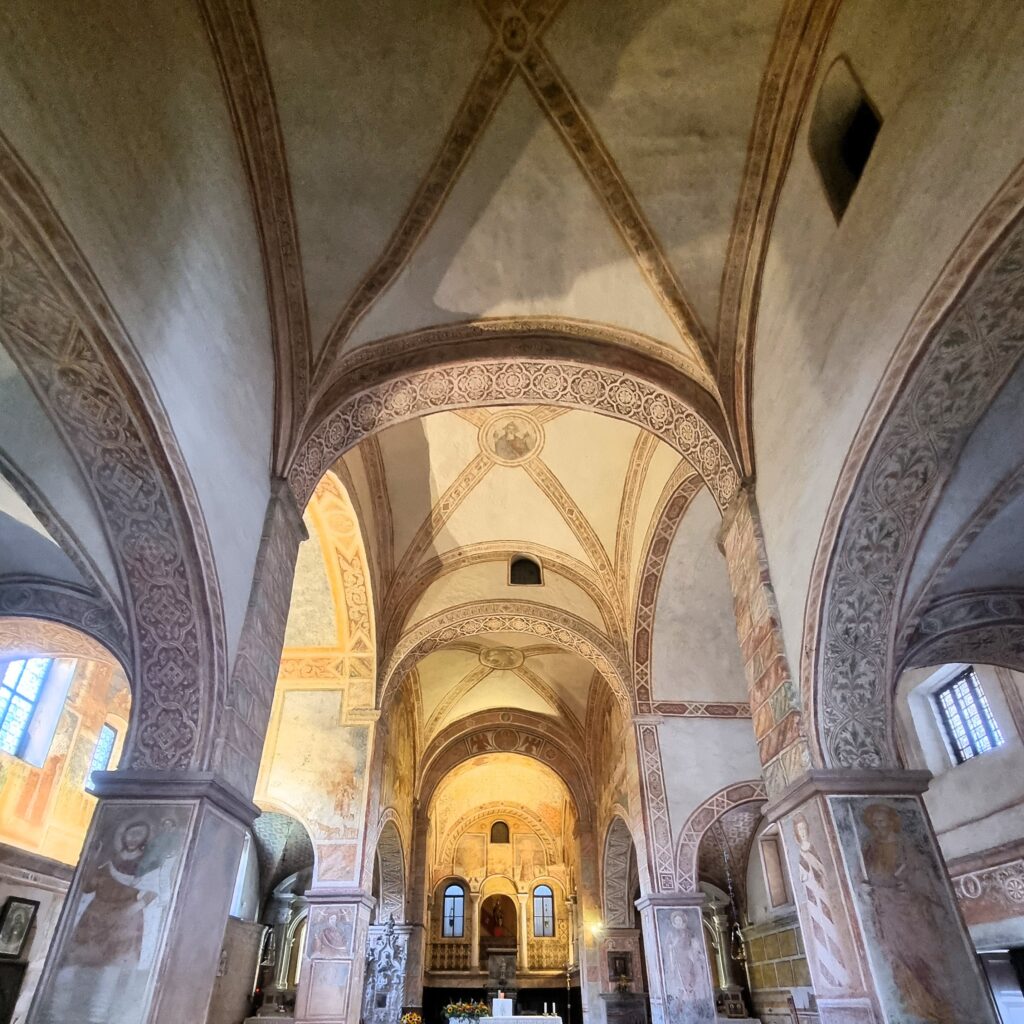


Medieval Roofs: More Than Just Coverings
When exploring a medieval church, attention is often drawn to its walls, sculptures, or painted surfaces. Yet one of its most complex and significant components usually remains out of sight: the roof.
The CaMeRoofs project invites visitors to look upward and to reconsider medieval roofs as true works of engineering, craftsmanship, and imagination. Far from being mere protective shells, roofs, ceilings, vaults, and domes played a fundamental role in shaping how sacred buildings were conceived, constructed, experienced, and preserved over time.
Throughout the Veneto region, from Late Antiquity to the late Gothic period, medieval builders developed highly intelligent and diverse roofing solutions. Timber ceilings were capable of spanning monumental spaces with remarkable structural efficiency; vaults and domes combined load-bearing functions with symbolic and cosmological meanings; and layered roofing systems were carefully designed to protect sacred interiors from climate, humidity, and the passage of time.
Rather than being static or secondary elements, medieval roofs functioned as dynamic architectural systems, continuously maintained, adapted, and renewed across centuries. They formed the architectural “canopy of heaven” beneath which liturgy, devotion, and everyday religious life unfolded.
The following case studies explore these roofing systems in detail, revealing the hidden architecture above medieval churches and restoring roofs to their rightful place in the history of European architecture.
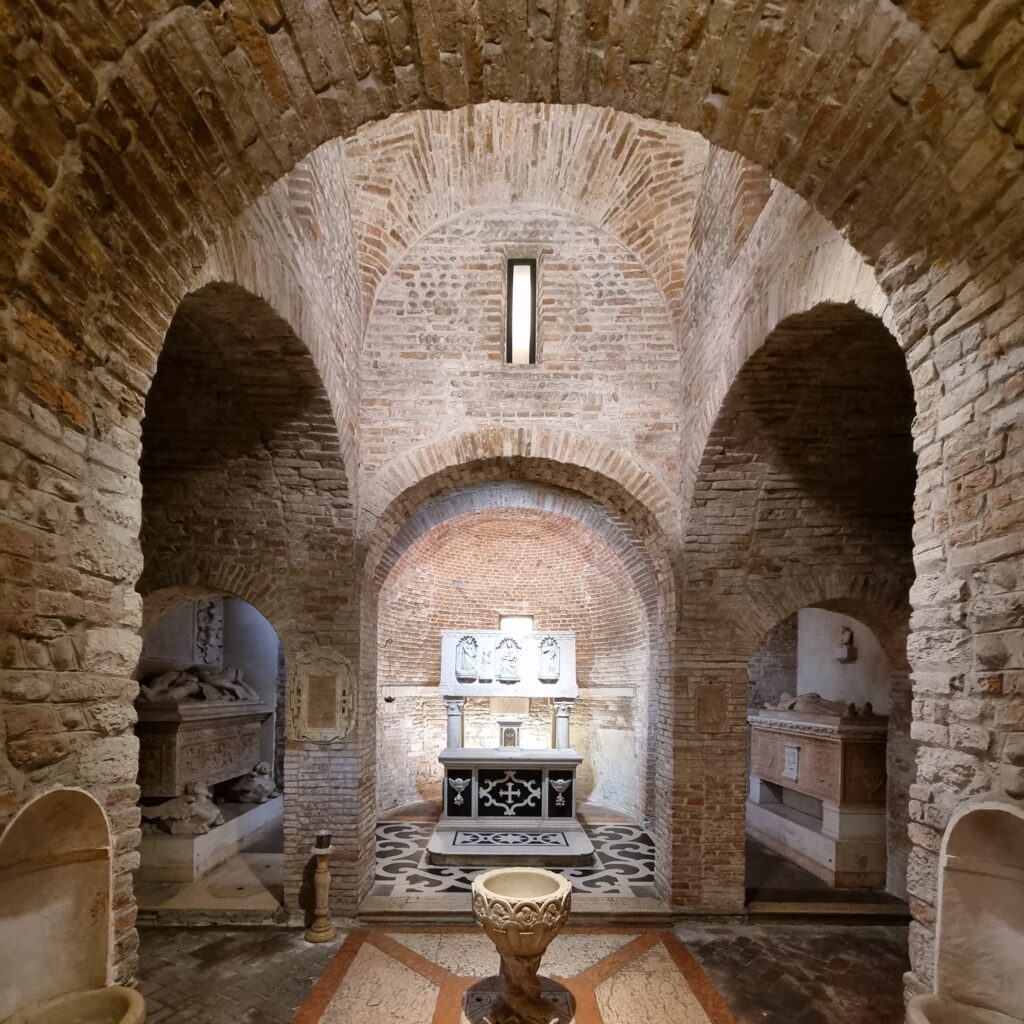
1. Verona. Sacellum of Saints Teuteria and Tosca
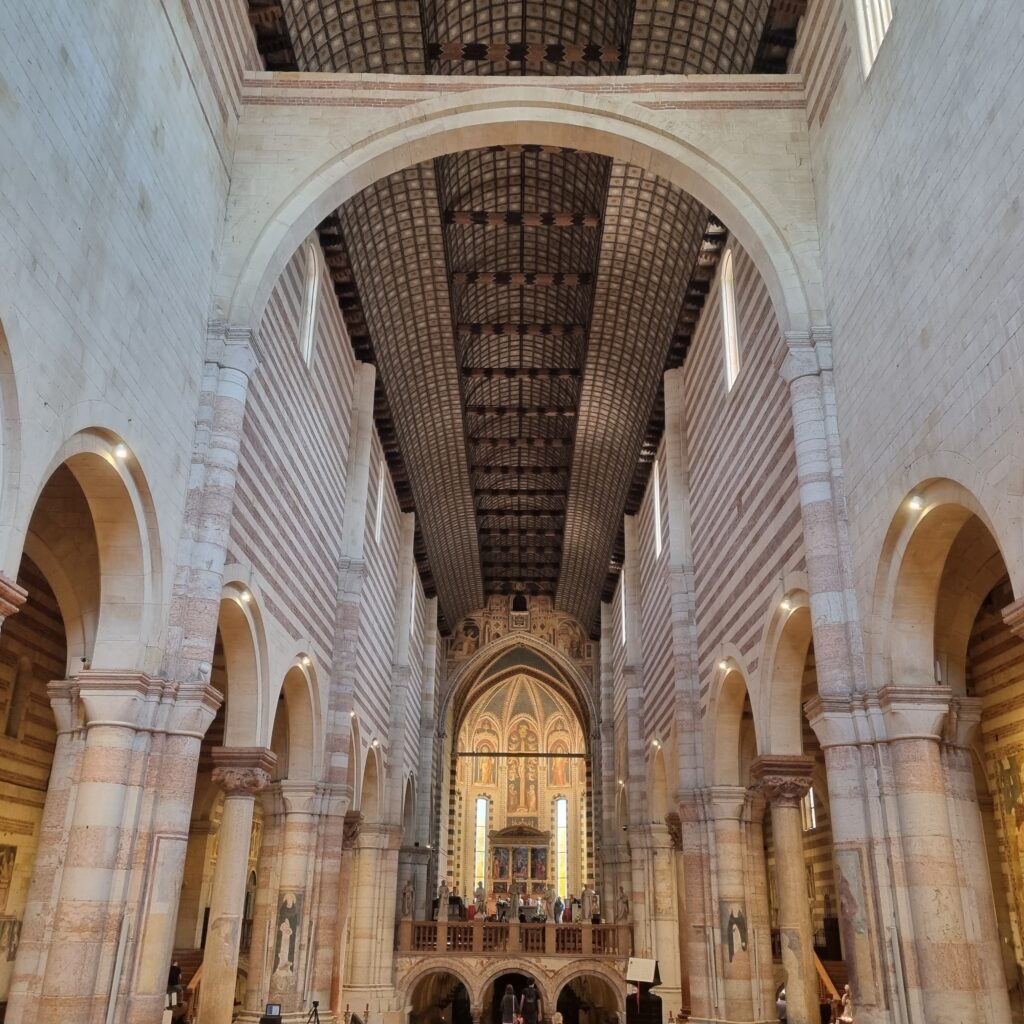
2. Verona. Basilica of San Zeno Maggiore
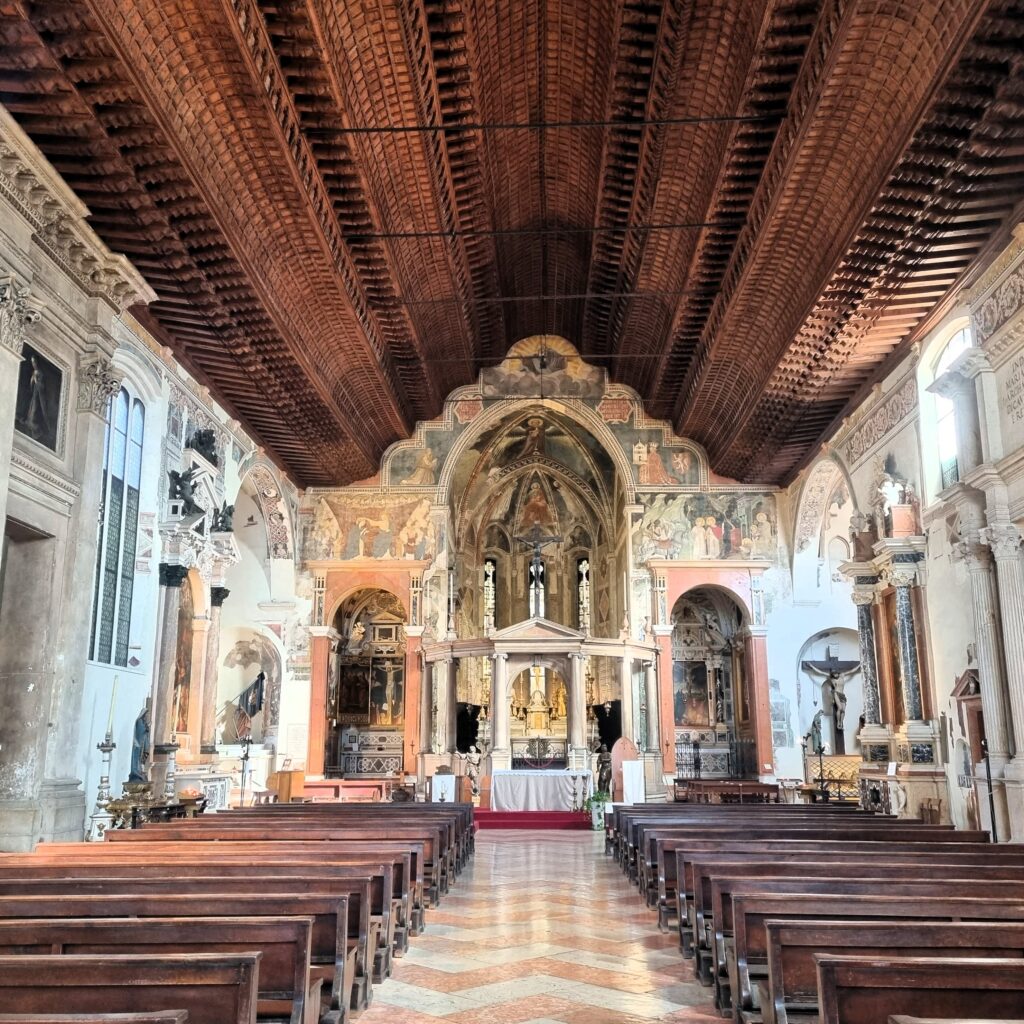
3. Verona. Basilica of San Fermo Maggiore
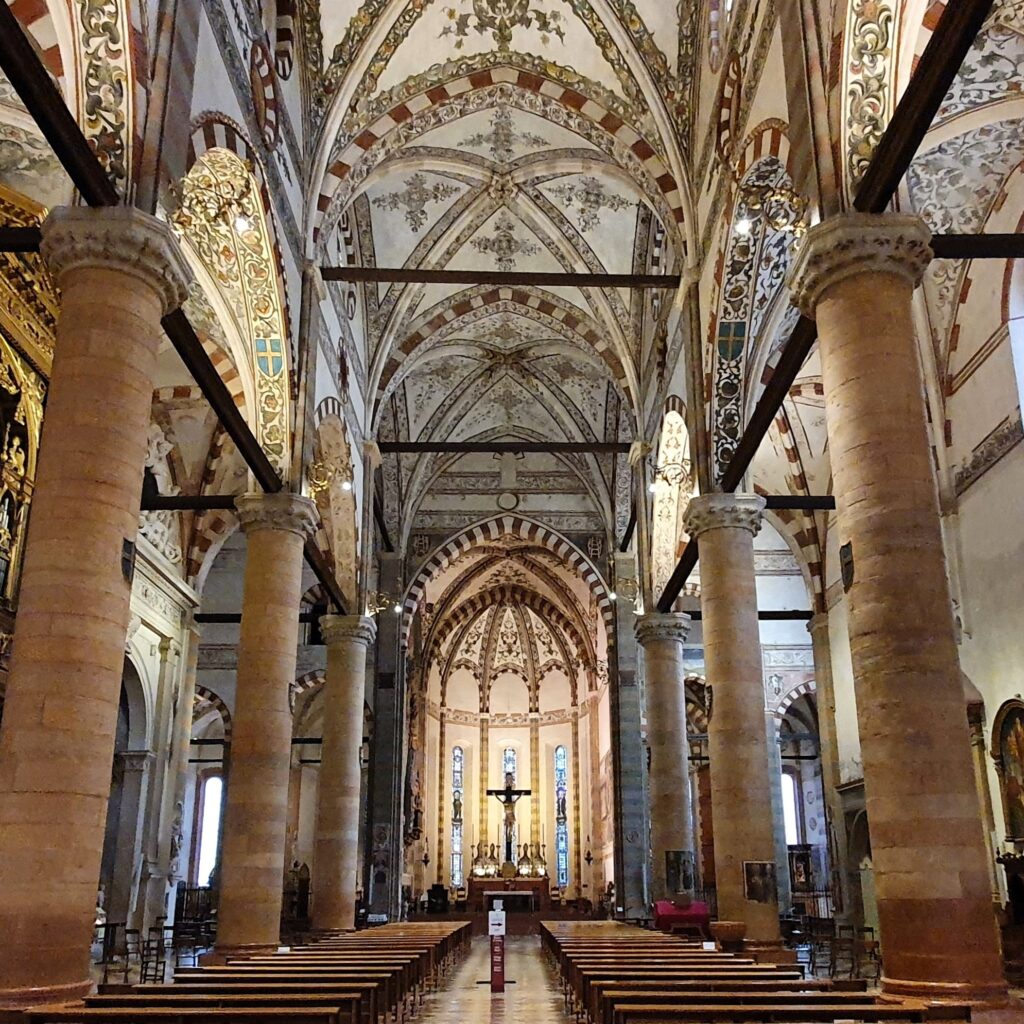
4. Verona. Basilica of Santa Anastasia
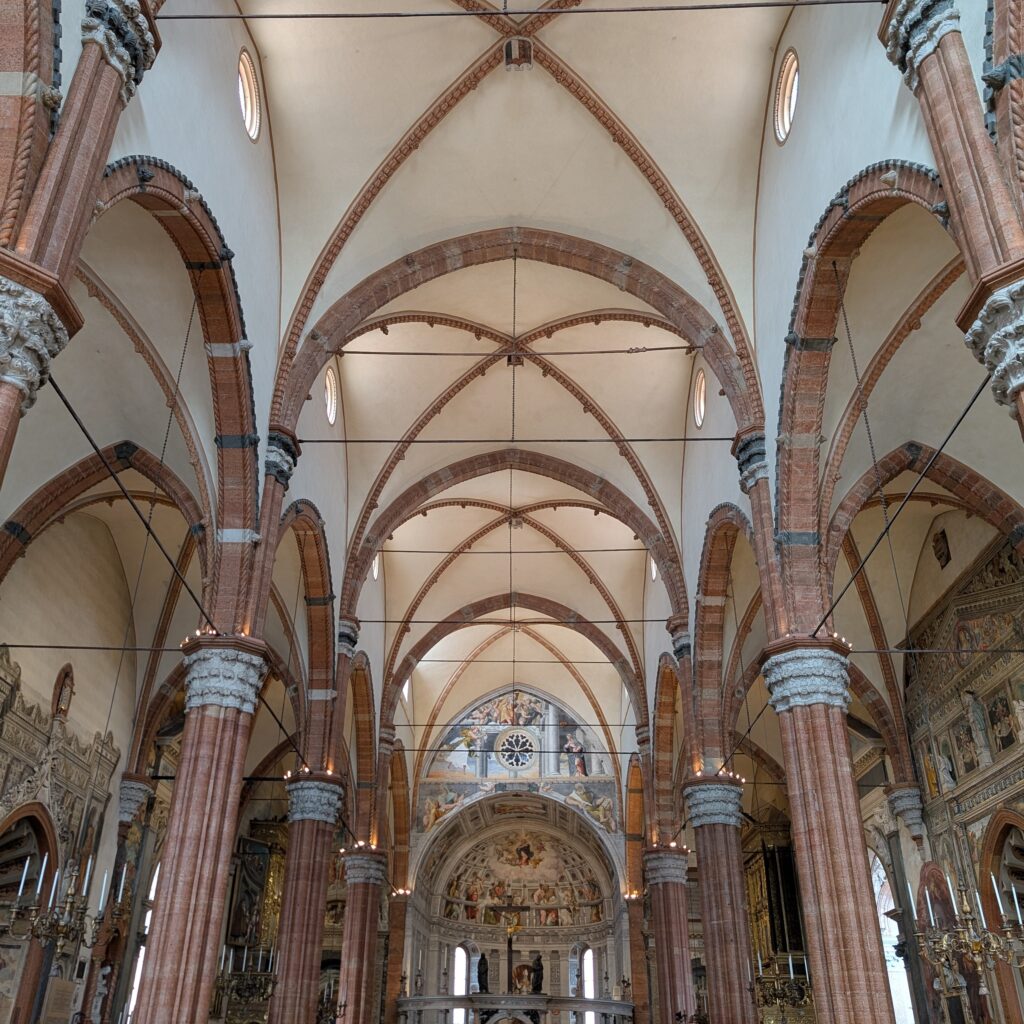
5. Verona. Cathedral of Santa Maria Matricolare
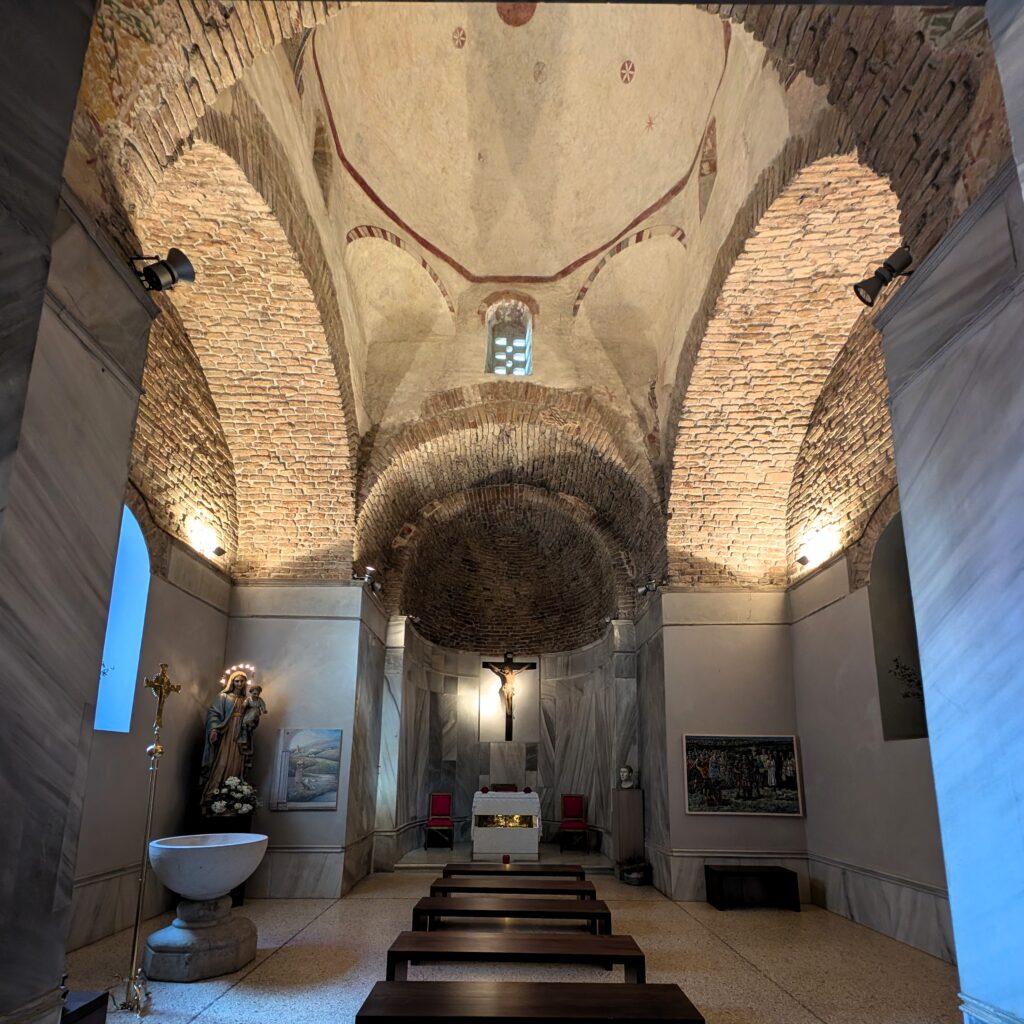
6. Vicenza. Sacellum of Santa Maria Mater Domini
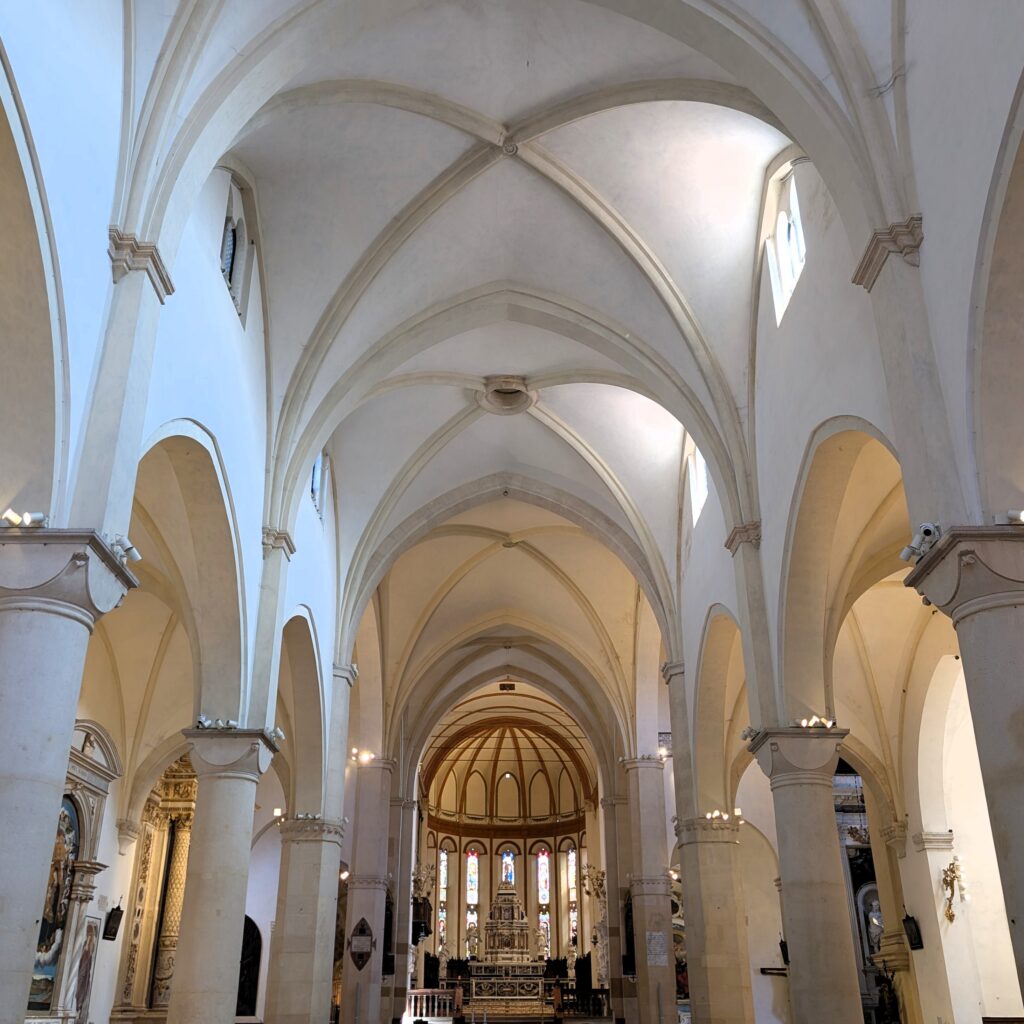
7. Vicenza. Basilica of Santa Corona
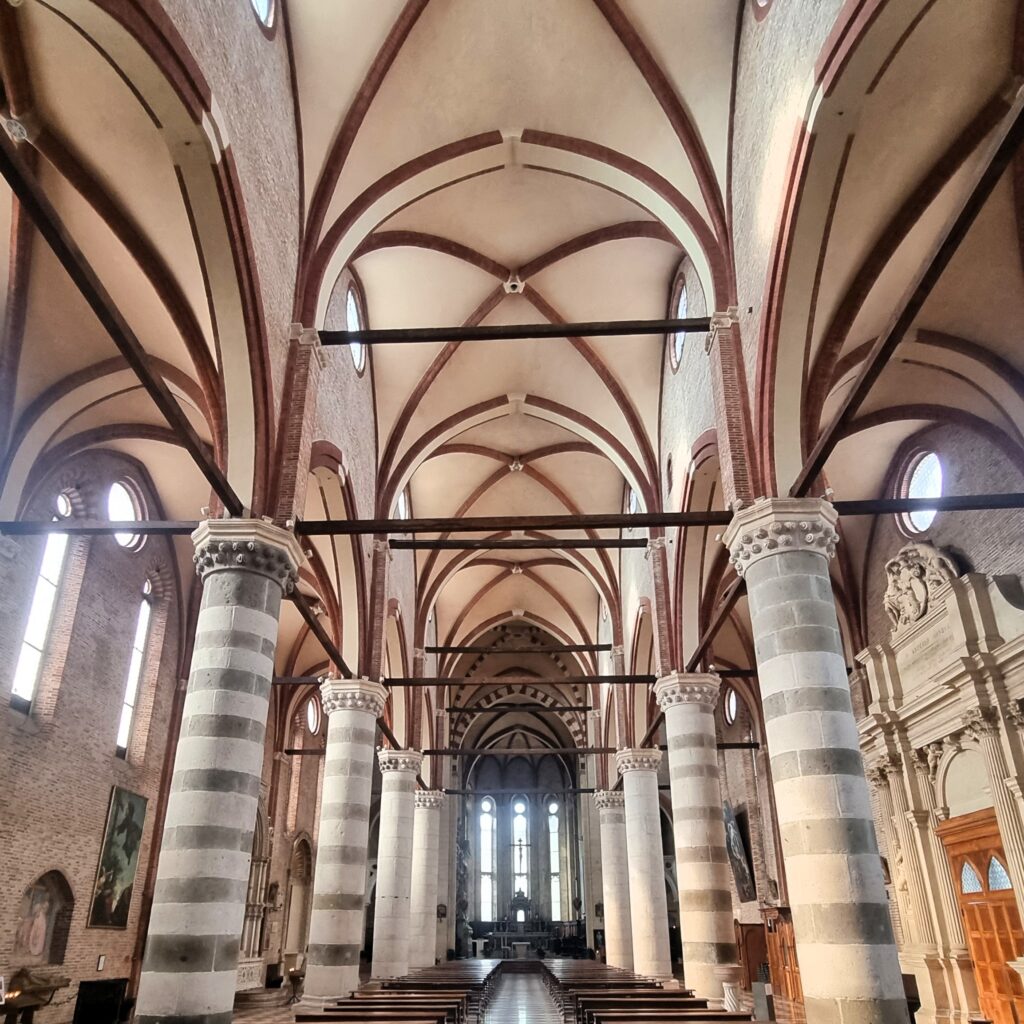
8. Vicenza. Basilica of San Lorenzo
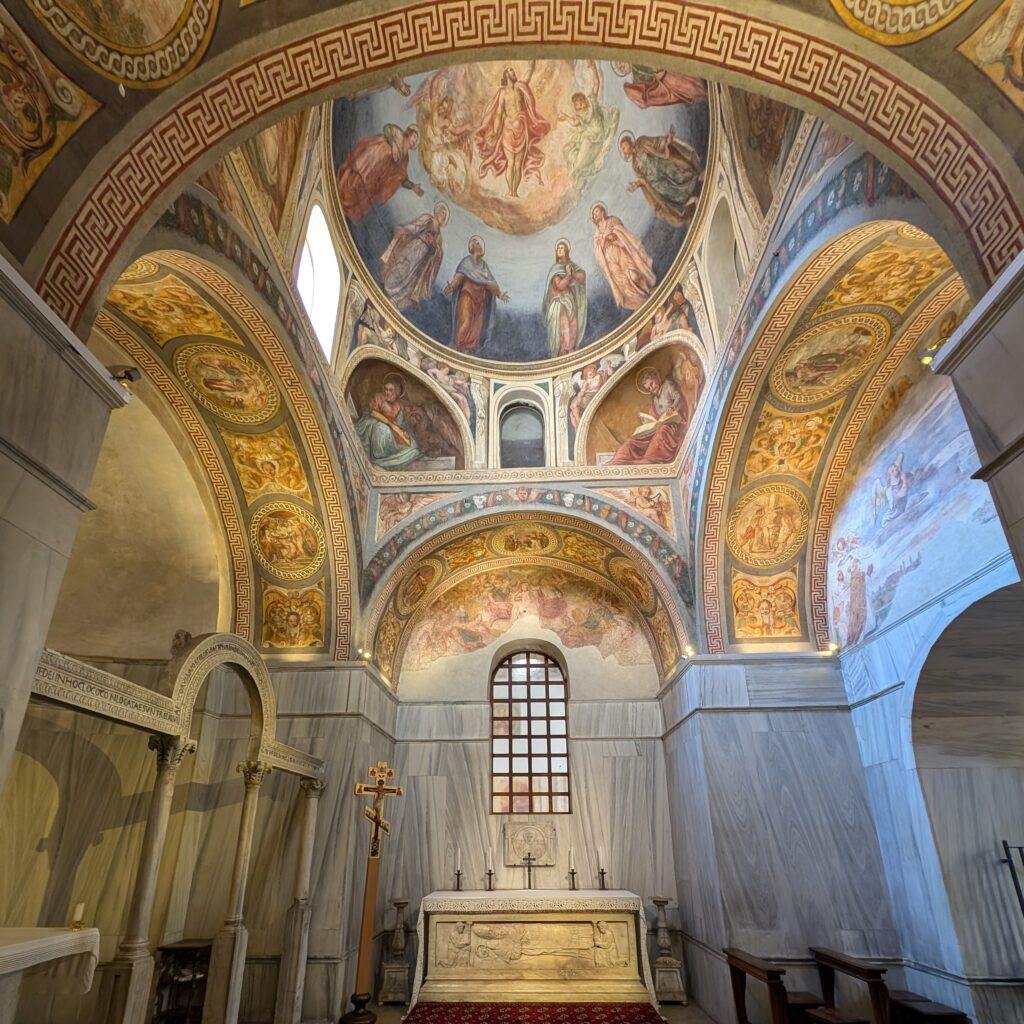
9. Padua. Sacellum of Saint Prosdocimus
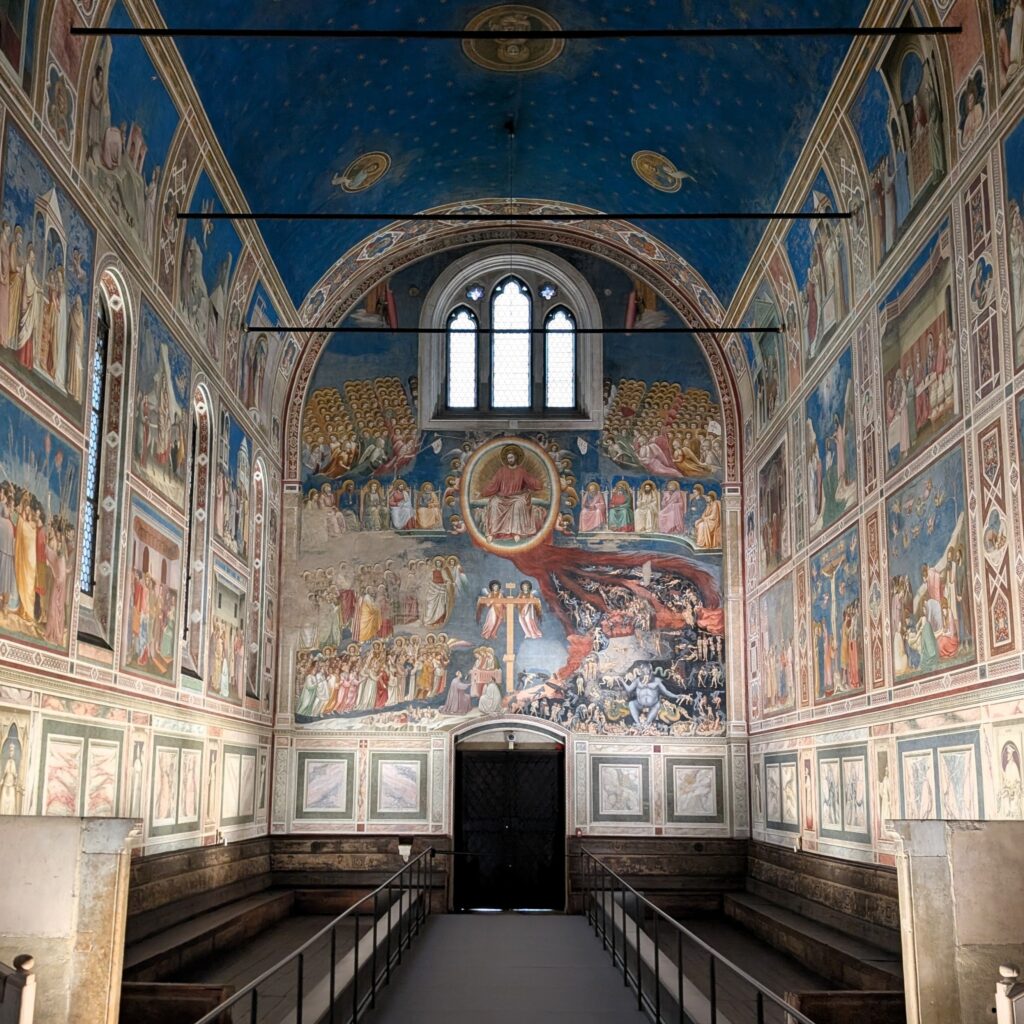
10. Padua. Scrovegni Chapel
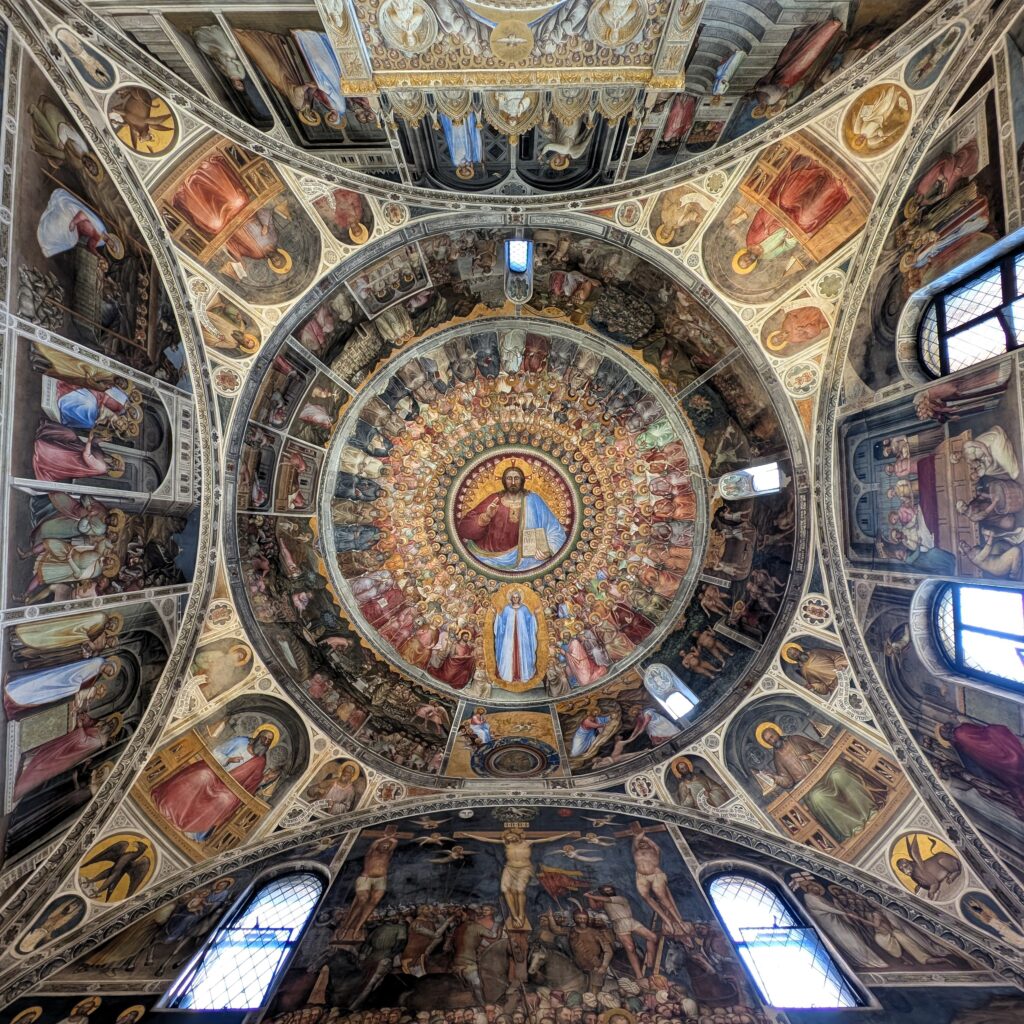
11. Padua. Baptistery